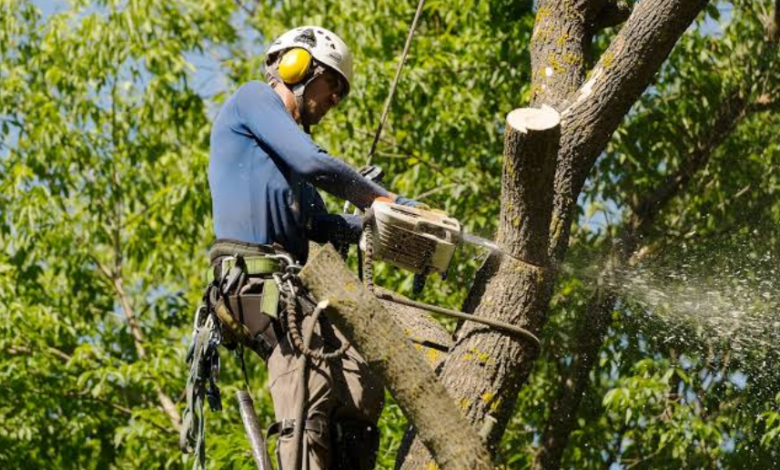
Tree removal doesn’t have any standard prices, so whoever quotes it to you will be guessing. It depends on the size of the tree, its condition, location, and how strong it will need to be to cut it down safely. If it’s a smaller tree that’s located outside, it can cost you a couple hundred dollars. But if you are talking about a huge tree growing in such a way that it’s threatening to be removed either on your roof or near electrical wires, then that’s another story. In most cases, people spend from $200 to $2,000, usually about $750.
Working with a reputable Tree services provider increases the chances of getting an accurate quote in relation to your specific environment and not just a rough price range. It is important to know about these influencing elements when making comparisons between different quotes.
What You’ll Typically Pay by Tree Size
| Tree Size | Estimated Cost |
| Small (up to 30 ft.) | $200–$500 |
| Medium (30–60 ft.) | $500–$1,000 |
| Large (60–80 ft.) | $1,000–$1,800 |
| Extra Large (80+ ft.) | $1,800–$3,000+ |
These numbers usually cover cutting the tree down and hauling the debris away. Stump grinding, emergency work, and other extras almost always show up as separate line items.
Why Two Trees the Same Size Can Cost Completely Different Amounts
- Height matters. The taller the tree, the more time, climbing gear, and safety precautions it takes to bring it down — and that adds up fast.
- Conditions change everything. A dead or storm-damaged tree isn’t just an eyesore; it’s often unstable. Crews sometimes have to dismantle it piece by piece instead of felling it in one go, which means more hours and more cost.
- Location can make or break the price. A tree standing alone in the backyard is about as easy as removal gets. One squeezed between two houses, near power lines, or on a steep slope is a different job altogether — crews may need to rig ropes and lower branches by hand instead of just letting equipment do the work.
- Cleanup is its own decision. Some people want the wood left behind for firewood; others want every twig gone. The more hauling involved, the higher the bill.
See also: Practical Ways to Use Barnwood Shiplap in a Wisconsin Business
Extra Services That Can Bump Up Your Quote
Tree removal isn’t always just “cut it down and leave.” Depending on the job, you might also be looking at:
- Stump grinding or full stump removal
- Chipping branches and hauling debris
- Emergency removal after a storm
- Crane-assisted removal for tight spots
- An arborist’s health inspection
- Permit paperwork, if your city requires it
Any of these can move the needle on your final price, sometimes significantly.
How to Get a Quote You Can Actually Trust
Skip the online calculators — they can’t see your yard. The only way to get a number that holds up is an in-person visit, where a contractor will typically check:
- The tree’s height and trunk width
- How healthy (or unhealthy) it is
- What’s nearby — fences, structures, power lines
- Whether equipment can actually get to the tree
- What you want done with the debris
- Whether a permit is needed in your area
A Few Ways to Keep Costs Down
If it’s not an emergency, you’ve got some room to save:
- Get quotes from at least three companies — prices vary more than you’d expect
- Book during the off-season, when crews tend to be less booked up
- Combine multiple trees into a single visit
- Ask if keeping the wood or chips on-site knocks anything off the price
- Nail down exactly what’s included before you sign anything
Going with the cheapest bid isn’t always the smart move. Check that the company is insured, ask about their experience, and make sure you know exactly what “removal” includes — because that word means different things to different crews.
Is Professional Tree Removal Worth It?
Tree removal includes chainsaws, climbing gear, heavy limbs, and a house within falling distance —it isn’t really a DIY weekend project. A professional Tree services provider brings the training, insurance, and equipment to get it done without putting your property (or themselves) at risk. Hiring someone experienced also means the job gets done to code, with cleanup handled properly from start to finish.
Bottom Line
The height of the tree is not the only thing to consider. The location of the tree, its health condition, accessibility of the tree, and how you will dispose of the tree remnants also influence the total cost. Once you figure out what influences the price, then comparing estimates becomes much simpler.
Always ask for an official estimate in writing before agreeing on any deal. In your estimate, make sure to list all labor costs, equipment fees, tree remnants removal, and stump grinding. It is the best way to protect yourself from surprises.