Solar panels come in many sizes, and choosing the right one can feel overwhelming at first glance. Wattage ratings, physical dimensions, voltage specifications, and mounting options all influence performance. Selecting the wrong size can lead to underpowered devices or unnecessary expense. The right choice depends less on trends and more on clearly defined energy goals. Whether powering a campsite, backing up a home refrigerator, or supplementing home solar panel systems, proper sizing ensures reliable results. In this article, practical steps are explained to help match solar panel size to real-life energy needs.
1. Start With Your Power Goal
What Do You Want to Run?
The first step in selecting a solar panel size is identifying exactly what needs to be powered. A smartphone requires far less energy than a portable refrigerator or microwave. Camping trips might involve charging cameras and lights, while home backup setups may focus on essential appliances. Being specific about intended devices prevents overestimating or underestimating required capacity. Listing primary and secondary devices clarifies the minimum energy target. Clear goals create a foundation for accurate panel sizing.
How Many Hours Per Day?
After identifying devices, estimating how long they will run each day is essential. A 60-watt fan running for five hours consumes significantly more energy than a phone charged once. Usage time often varies between weekdays and weekends, so realistic averages are important. Seasonal differences also matter, especially for heating or cooling devices. Calculating daily operating hours turns abstract power ratings into measurable needs. This step ensures panel selection aligns with consistent daily demand.
List All Devices and Their Wattage
Each device typically includes a label showing wattage, or voltage, and amperage. Recording these values allows calculation of total energy consumption. Multiply wattage by hours of use to estimate daily watt-hours required. Adding a safety buffer of about 20 percent accounts for inefficiencies and cloudy conditions. This total becomes the target output for the solar panel system. Accurate lists reduce guesswork and prevent performance disappointment later.
2. Understand Watts, Volts, and Amps
Watts Measure Total Power Output
Watts indicate how much power a panel can produce under ideal sunlight conditions. A 100-watt panel generates up to 100 watts per hour in peak sun. However, real-world output often falls below that rating due to temperature and angle. Understanding wattage helps compare panels of different sizes objectively. Larger wattage generally means faster charging and higher capacity. Selecting wattage based on calculated energy needs keeps expectations realistic.
Volts and Amps Determine Compatibility
While watts describe output capacity, volts and amps affect system compatibility. Voltage must match the input range of a power station, inverter, or battery system. Too low a voltage reduces charging efficiency, while too high a voltage may cause system shutdown. Amperage determines current flow and affects charging speed. Reviewing equipment specifications prevents mismatches. Proper voltage and amperage alignment ensure safe and effective operation.
Match Panel Voltage to Your Power Station
Portable power stations and battery systems specify acceptable input voltage ranges. Matching panel voltage to these ranges is essential for stable charging. Some panels include adjustable connectors to support multiple setups. Checking compatibility before purchase avoids costly returns. Balanced voltage pairing optimizes charging efficiency and protects equipment. Careful review of technical details ensures seamless integration.
3. Match Panel Size to Your Use Case
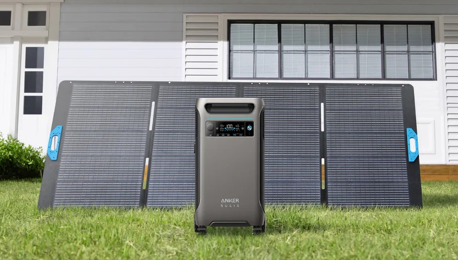
Camping: Portable, Foldable, 50–200W
Camping setups often require lightweight and compact panels. A 50-100-watt foldable panel can handle phones, lights, and small devices. For longer trips with refrigerators or multiple users, 150-200-watt panels provide more reliable daily replenishment. Portability remains important, especially for car-based travel. Foldable designs allow easy storage and quick deployment at campsites. Matching wattage to trip duration ensures consistent energy without unnecessary bulk.
Home Backup: Rigid Rooftop, 300–400W Each
Home backup systems typically rely on larger rigid panels mounted on rooftops. Individual panels often range from 300 to 400 watts, providing substantial output. These panels feed into inverters and battery systems to support essential appliances. Rooftop installations prioritize durability and long-term performance. Higher wattage panels reduce the number required to meet energy targets. For home use, stability and efficiency are often more important than portability.
RV or Van: Mix of Portable and Roof-Mount
RV and van setups frequently combine fixed rooftop panels with portable units. Roof-mounted panels supply a steady baseline charging during travel. Portable panels add flexibility when parked in shaded areas. This hybrid approach balances convenience and adaptability. Weight, space, and roof area limit total capacity. Carefully combining panel types maximizes available surface area and energy production.
4. Consider Physical Size and Portability
Physical dimensions directly affect installation options and transport convenience. Larger panels produce more power but require more roof or ground space. Foldable panels reduce storage footprint but may involve setup time. Weight influences whether panels can be repositioned easily throughout the day. In smaller vehicles or compact yards, size limitations dictate feasible options. Choosing a physically manageable panel ensures practical daily use.
See also: The Digital Evolution: How Technology is Redefining Our Lifestyles
5. Account for Real-World Conditions
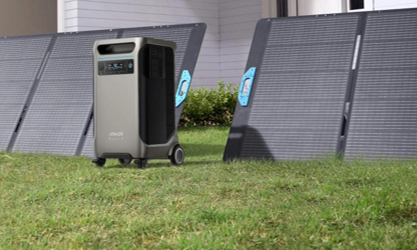
Solar panels rarely operate under laboratory conditions. Cloud cover, dust accumulation, shading, and high temperatures all reduce efficiency. Selecting slightly higher wattage than calculated helps compensate for these losses. Durable construction also matters in outdoor environments where wind and moisture are common. Some options, such as Anker panels solar home, incorporate high-efficiency cells and rugged designs that help maintain stable output even when sunlight is not perfectly consistent. Planning for real-world variability prevents underperformance and increases long-term satisfaction.
6. Check Compatibility With Your System
Compatibility extends beyond voltage matching. Connector types, cable length, and inverter capacity all influence system performance. Some systems support expansion, allowing additional panels later. Others may have strict input limits that cap charging speed. Reviewing manufacturer specifications ensures smooth integration. Careful compatibility checks reduce installation challenges. A well-matched system operates efficiently and safely.
Conclusion
Choosing the right solar panel size begins with clearly defined energy goals and realistic daily usage estimates. Understanding wattage, voltage, and compatibility ensures panels perform as expected. Matching panel type to camping, home backup, or mobile living scenarios provides practical balance. Considering physical dimensions and environmental factors prevents frustration. When thoughtfully selected, solar panels deliver reliable energy that supports everyday life. Careful planning transforms solar sizing from a confusing decision into a confident investment.