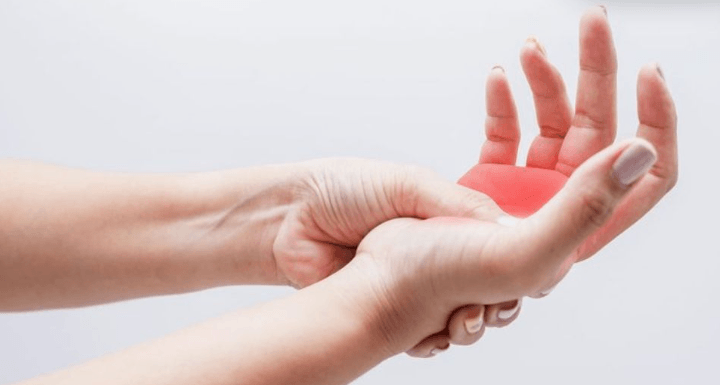
Understanding the physical mystery of numbness
The difference between pins, needles, and total loss of sensation
Numbness manifests in various ways, ranging from simple tingling to a complete absence of feeling. Pins and needles, often called paresthesia, usually indicate that a nerve is being compressed or temporarily deprived of blood flow. In contrast, a complete loss of sensation suggests a more significant interruption of the nerve signal pathway, warranting closer investigation.
When numbness signals a transient issue versus a chronic condition
Occasional numbness can often be dismissed as a minor annoyance, such as when an arm falls asleep during sleep. However, when these sensations persist or recur unexpectedly, they may signal a more serious underlying issue. Distinguishing between a fleeting positional change and a chronic nerve condition is the first step in protecting your physical well-being.
How your nervous system communicates through touch and temperature
Your nerves act as biological sensors, relaying constant information about your environment to your brain. When these pathways are compromised, your body struggles to interpret even basic stimuli. Developing a sophisticated neurological profile requires understanding how these specific signals are affected by various triggers.
| Type of Sensation | Typical Cause | Sensory Impact |
| Pins and Needles | Blood flow | Temporary irritation |
| Total Numbness | Nerve damage | Loss of signal |
| Burning Pain | Nerve irritation | Hypersensitivity |
These variations help clinicians understand the precise mechanism of your symptoms before proposing a path forward.
The role of a neurologist in your health journey
Moving beyond general practitioners for nerve-related concerns
While primary care doctors handle a wide array of health issues, neurologists focus specifically on the complex systems that govern your movement and sensory output. When symptoms persist, seeking specialized evaluation ensures you are working with experts who understand the nuances of the peripheral and central nervous systems.
What to expect during your first neurological consultation
Your first visit often involves a comprehensive review of your physical coordination, reflexes, and pain responses. Medical providers look for specific markers that delineate where the sensory disruption is occurring. This structured initial session is vital for establishing an accurate baseline for your recovery.
Translating vague physical symptoms into clear medical insights
Much like the strategic paid media campaigns our agency runs, understanding symptoms requires careful mapping of data points. By identifying recurring patterns in your health history, neurologists translate confusing physical experiences into actionable medical insights. Our team understands that precision in data matters, whether testing marketing campaigns or evaluating nerve pathways.
Common neurological culprits behind persistent numbness
Peripheral neuropathy and its impact on daily movement
Peripheral neuropathy occurs when the nerves outside the brain and spinal cord are damaged or interrupted. This condition often results in diminished motor control, making standard daily activities feel like a significant burden. Recognizing this early is essential for preventing further nerve degradation.
Nerve compression issues like carpal tunnel or sciatica
Nerve compression often happens when surrounding tissues exert consistent pressure on vital nerve pathways. Carpal tunnel in the wrist or sciatica in the lower back are classic examples of structural compression needing intervention. Managing these requires a focus on reducing the mechanical stress placed on the affected region.
Central nervous system factors affecting sensory signaling
Sometimes the problem originates within the brain or spinal cord itself, altering the interpretation of incoming sensory messages. These factors may include inflammatory responses or structural changes that disrupt signal transmission. A thorough investigation into central signaling helps rule out complex conditions.
Metabolic conditions that influence nerve health
Diabetes and thyroid imbalances are known to significantly impact the cellular health of nerves. When these metabolic systems are out of balance, the resulting systemic stress can manifest as persistent numbness in the extremities. Balancing these internal processes often serves as the foundation for restoring proper nerve function.
Decoding the diagnostic process
Utilizing nerve conduction studies to pinpoint damage
Nerve conduction studies involve sending tiny electrical impulses through specific nerves to measure their reaction speed. If the signal is delayed, it suggests a site of structural damage or functional impairment. This test serves as a concrete measure of your nerve health, similar to how our analytics tools isolate the performance metrics of a specific landing page.
The role of imaging in ruling out structural causes
Advanced imaging, such as MRIs, provides a detailed internal view of the spine and brain regions. These images allow doctors to see if physical obstructions like tumors or herniated discs are impacting nerve flow. It is a necessary step to ensure that the treatment remains focused on the correct anatomical location.
Blood testing for underlying deficiencies that affect nerve health
Blood work is critical for uncovering biochemical deficits that might be masking as neurological symptoms. Low levels of essential vitamins, such as B12, or electrolyte imbalances can directly interfere with how nerves send messages. Identifying these trends allows for targeted supplementation or lifestyle adjustments.
Why your personal health history is the most valuable diagnostic tool
Our data-driven SEO approach prioritizes identifying the right signals; similarly, neurology doctors look for patterns in your personal health history to understand, not just observe, your diagnosis. Your timeline of life events, past injuries, and prior symptoms provides the necessary context to make sense of current data.
Developing a personalized treatment plan
Working with physical therapists to restore strength and function
Physical therapy plays a critical role in rehabilitating nerves that have been sluggish or dormant. Guided exercises help patients rebuild the neural connections necessary for motor control and sensory perception. This restorative process relies on consistency over time.
Medication management for persistent neuropathic discomfort
In some cases, providers may introduce medications designed to stabilize nerve signaling and alleviate chronic discomfort. These prescriptions act to soothe the overactive responses that often accompany neuropathy. Balancing the right medication requires regular monitoring to ensure efficacy.
Lifestyle modifications that support long-term nerve recovery
- Maintain a balanced diet rich in nerve-supporting nutrients.
- Incorporate low-impact movement to promote circulatory health.
- Practice stress reduction techniques to calm the nervous system.
- Avoid prolonged periods of inactivity that may decrease blood flow.
These changes effectively create an environment where nerves are better equipped for long-term health.
Identifying and avoiding personal triggers that worsen symptoms
Every patient has unique environments or activities that exacerbate their numbness. By maintaining a symptom journal, you can learn which triggers should be managed or avoided entirely. This level of self-awareness is key when customizing a treatment path to your unique physiology.
Empowering yourself with long-term nerve health
Recognizing subtle warning signs before numbness escalates
Learning to spot the difference between typical fatigue and subtle nerve warning signs can save you from future complications. Minor flares should be treated as data points that you discuss with your care team. Proactivity prevents small issues from becoming chronic barriers.
The importance of consistent follow-up appointments
Just as we deliver conversion-focused creative strategies to build business ROI, your personalized plan will focus on restoring function through steady, iterative adjustments. Consistent check-ins allow your medical team to see if the treatment protocol is working as expected. Regular updates ensure your health journey stays on track.
Finding community and support for your healing journey
Connecting with others who have faced similar nerve issues can provide much-needed perspective and emotional support. Learning from the shared experiences of others often changes the way you approach your own healing. Community networks frequently help individuals feel less isolated in their chronic health journey.
Advocating for your own health needs during medical visits
Taking charge means asking direct questions and ensuring your concerns are addressed in every consultation. You are the ultimate manager of your health outcomes, and clear communication with your specialists is the most direct path to wellness. Never hesitate to advocate for the insights you need to feel confident in your care.
Conclusion
Understanding the source of numbness is a process that requires patience, clinical expertise, and a commitment to tracking your own physiological signals. By working closely with neurology doctors, you can decipher the language of your nerves and move forward with a plan that prioritizes function and comfort for the long haul.
Frequently Asked Questions
What are the most common causes of numbness?
Numbness often stems from nerve compression issues, metabolic deficiencies, or chronic peripheral neuropathy. Each of these requires a professional evaluation to identify the specific trigger.
How fast should I seek medical help for numb limbs?
If the numbness is sudden and accompanied by weakness, speech issues, or confusion, seek emergency care immediately as these may be signs of a serious neurological emergency.
Can diet impact the health of my nerves?
Yes, certain vitamin and electrolyte imbalances can contribute to sensory issues, so maintaining a balanced diet is essential for supporting your nervous system.
Is physical therapy effective for nerve-related symptoms?
Physical therapy is highly effective for rehabilitation, as it focuses on restoring strength and function to areas affected by nerve damage through guided exercise.
Will imaging tests always find the cause of numbness?
Imaging tests are vital for ruling out structural issues, but they do not capture every cause of numbness, such as chemical or metabolic imbalances.
How does a doctor test how my nerves are functioning?
Doctors often use nerve conduction studies that send small electrical signals through the nerves to measure their response speed and integrity.
What can I do at home to manage lingering discomfort?
At-home management often includes consistent, low-impact exercise, inflammation-reducing lifestyle changes, and keeping a detailed log of triggers to discuss with your healthcare provider.