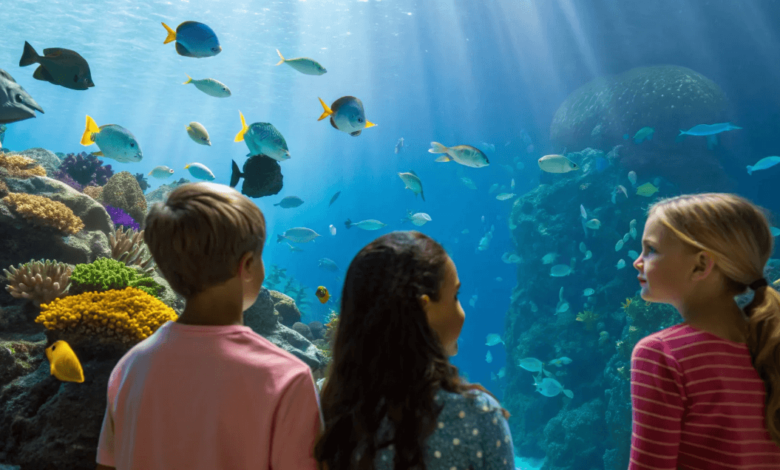
Coral reefs are some of the most amazing natural things on Earth. They hold a wide range of sea life. They also help protect coasts from things like erosion and storms. Coral reefs might look like hard rocks under the water, but they are made by millions of small, living things that work together for a long time. They grow slowly over many years. This steady growth builds up big groups where many fish, small animals without bones, and a lot of other ocean life can live.
Knowing how coral reefs grow helps us see how ocean life is balanced and why it is important to protect these places. Coral reefs can start as volcanic islands. Over time, these places turn into living reefs filled with many types of life. It is essential to read more on how coral reefs are formed. This change shows how nature can shape the world under the sea as years go by.
Why you should understand marine geology
The way coral reefs grow takes both nature and living things working together, and it happens slowly over time. These reefs need the right conditions to develop well. Hard corals, which are the kind that build reefs, make solid skeletons from calcium carbonate. Even after the small coral animals die, their skeletons stay in place. New corals then grow on top of the old layers. The reef gets bigger little by little, and this can take hundreds or even thousands of years.
Warm, shallow water with plenty of sunlight is great for growing coral. The tiny algae that live in the coral need sunlight so they can make food through photosynthesis. The coral and the algae work together to build one of the most active and rich parts of the ocean. They can do this even when there are not many nutrients in the water.
The Step-by-Step Process of Coral Reef Formation
Step 1: Coral Larvae Settle on a Suitable Surface
Every reef starts when tiny coral larvae drift along in the ocean. When they land on a hard spot like volcanic rocks or limestone, they stick to it. Then, they turn into small coral polyps. This is how a new coral colony begins.
Step 2: Coral Colonies Begin to Grow
As coral polyps make more of themselves, they give off hard calcium carbonate under their bodies. With time, many polyps join together and make big groups. These groups keep growing out in all directions but still stay as one connected home.
Step 3: Reef Structures Become More Complex
As new corals grow and old ones die, their hard parts are left behind. This helps to build a strong base for the reef. Other sea life, like algae and sponges, also take part in making the reef strong. They add bits that fill in small spaces in the structure.
Step 4: Diverse Marine Life Establishes the Ecosystem
When the reef gets big enough, it starts to bring in fish, crabs, snails, sea turtles, and many other sea animals. All these animals also get to meet or mix with each other at the reef. This turns the reef into one of the most varied places for living things in the whole world.
Factors That Influence Reef Development
Reefs can grow well only if certain things in the environment stay the same for a long time.
Key requirements include:
- Warm tropical water temperatures.
- Clear, shallow water with lots of sunlight.
- Stable surfaces for coral to stick to.
- Good flow of water.
- Low levels of pollution and dirt in the water.
Even small changes in these conditions can slow coral growth. They can also harm growing reef ecosystems.
See also: How Greater Food Awareness Supports Better Lifestyle Choices
Why Coral Reef Formation Matters
Coral reefs do more than just look nice. They help keep the shore safe by soaking up the energy from waves. These reefs also support fishing, which many people need for food and jobs. There is tourism in these areas too, because reefs are a big draw. Scientists also study how reefs grow to learn more about the history of our planet’s climate and how well the ocean is doing.
Reefs take a long time to grow. When there is damage from things like pollution, bad fishing, or climate change, reefs cannot heal fast. That is why it is very important to keep the reefs safe. This will help keep the ocean’s living areas healthy.
Conclusion
Coral reefs are special natural structures. They form over thousands of years as living things and rocks change bit by bit. It all starts with tiny coral babies. As time goes by, they grow and build up. Soon, these places will be full of life. A coral reef brings together many types of ocean creatures.
To know about how coral reefs are made, you can read more on how coral reefs are formed. This helps us see why they are so amazing and why we should protect them. When we help care for reefs and practice good habits in the ocean, we make sure these natural areas stay healthy. Then, people later on will still get to enjoy them.