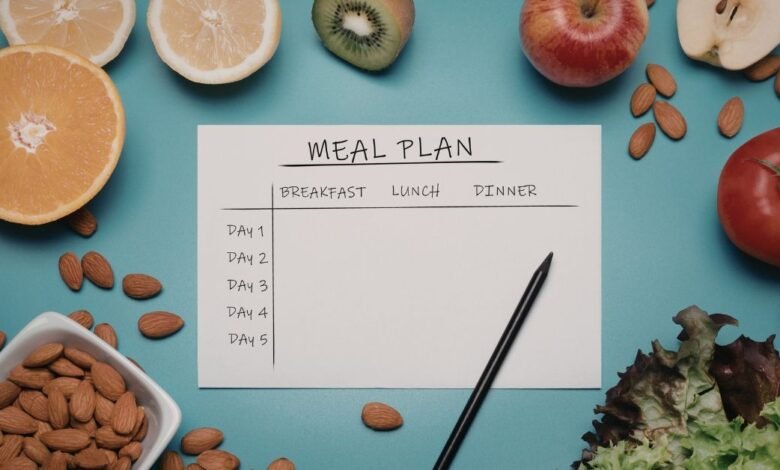
Semaglutide has become a leading option for weight loss, but understanding what to eat while on semaglutide is key to achieving consistent results. The medication works by regulating appetite and slowing digestion, but proper nutrition maximizes its benefits and helps minimize side effects such as nausea or bloating. FitRx offers clear guidance to help users select meals that support both comfort and effective weight loss.
While semaglutide helps control hunger, pairing it with the right foods accelerates progress and stabilizes energy levels. Nutrient-dense meals enhance fullness, support metabolism, and make it easier to maintain a healthy eating routine. FitRx emphasizes combining structured dietary habits with the medication for sustainable weight management and overall wellness.
Core Principles of a Semaglutide-Friendly Diet
Following a semaglutide diet plan revolves around choosing foods that provide satiety and nutritional value. Lean proteins, high-fiber vegetables, whole grains, and healthy fats form the foundation of meals that help keep appetite in check. Proteins like chicken, fish, tofu, and legumes preserve muscle mass while promoting fullness. Fiber from vegetables, fruits, and whole grains supports digestion and prolongs the feeling of satisfaction after meals.
FitRx encourages meal planning to avoid impulsive choices that could undermine weight loss. Consistency in balanced meals and nutrient quality helps users adapt to semaglutide without discomfort, making the weight loss journey smoother and more predictable.
Breakfast Recommendations
Breakfast is an essential meal for semaglutide users, as a protein-rich breakfast helps stabilize appetite throughout the day. Options include scrambled eggs with vegetables, Greek yogurt with berries, or oatmeal topped with nuts and seeds. Including protein, fiber, and moderate healthy fats sets the tone for balanced meals throughout the day.
FitRx highlights that a well-structured breakfast reduces cravings, supports energy levels, and complements semaglutide’s appetite-suppressing effects. Establishing this routine can positively influence early progress timelines associated with semaglutide weight loss timeline.
Lunch and Dinner Guidelines
For lunch and dinner, focus on lean proteins, vegetables, and whole grains while keeping portions moderate. Grilled fish with quinoa and roasted vegetables, baked chicken with a side of leafy greens, or a chickpea salad with mixed vegetables provide essential nutrients while promoting fullness and satisfaction.
FitRx emphasizes that semaglutide slows gastric emptying, so consuming large or very rich meals can cause discomfort. Moderate, balanced portions enhance comfort, reduce nausea, and support steady weight loss. Varying meals across the week ensures nutritional balance and keeps eating enjoyable.
Snacks and Hydration
Light snacks can be included as part of a semaglutide meal plan. Options like fresh fruit, raw vegetables, nuts, or small protein servings help maintain energy between meals without overloading the digestive system.
Hydration is also crucial. Drinking water throughout the day supports digestion, minimizes bloating, and complements semaglutide’s appetite-regulating properties. FitRx stresses that consistent hydration enhances comfort and helps maintain adherence to the diet plan.
See also: Cooling Vest Benefits: A Simple Wellness Hack for Heat Sensitivity
Foods to Limit or Avoid
Certain foods can interfere with semaglutide’s effectiveness or trigger side effects. High-fat fried foods, sugary snacks, highly processed items, and very large meals can lead to nausea, bloating, or digestive discomfort. Carbonated beverages and alcohol should also be limited to improve overall tolerance.
FitRx advises monitoring your body’s response to specific foods and adjusting accordingly. Limiting these triggers helps maintain adherence, reduces discomfort, and maximizes weight loss results in combination with semaglutide.

Practical Tips for Long-Term Success
A structured approach is essential for sustainable weight loss. FitRx recommends planning meals in advance, eating moderate portions, and including a variety of nutrient-dense foods to support semaglutide’s effects. Listening to hunger cues and eating slowly ensures meals align with the appetite control benefits of the medication.
Integrating regular exercise, adequate sleep, and consistent hydration further enhances the weight loss journey. Over time, these habits become routine, allowing semaglutide users to maintain steady progress while minimizing discomfort and improving overall health outcomes.
Conclusion
Knowing what to eat while on semaglutide is crucial for maximizing weight loss and minimizing side effects. Prioritize lean proteins, fiber-rich vegetables, whole grains, and healthy fats, while avoiding high-fat, sugary, or processed foods. Consistent hydration supports digestion and overall comfort.
FitRx provides practical, actionable guidance for semaglutide users, helping them combine effective nutrition with the medication’s appetite-regulating properties. By maintaining balanced meals, moderate portions, and consistent lifestyle habits, users can achieve sustainable weight loss and enjoy long-term health benefits.
FAQs
1. What foods should I eat while on semaglutide?
Focus on lean proteins, fiber-rich vegetables, whole grains, and healthy fats to stay full and support weight loss.
2. Can I include snacks on semaglutide?
Yes, choose nutrient-rich options such as fresh fruit, vegetables, nuts, or small protein servings.
3. Are there foods I should avoid?
Limit fried, high-fat, sugary, and processed foods, along with carbonated drinks and alcohol.
4. How important is hydration?
Consistent water intake supports digestion, reduces bloating, and enhances appetite control.
5. Can I combine semaglutide with exercise?
Yes, regular activity complements the medication, enhancing weight loss and overall health.