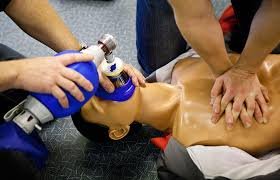
Rescue breathing is one of the most important skills in lifesaving care, especially during emergencies where a person is not breathing or is struggling to breathe adequately. While cardiopulmonary resuscitation (CPR) often focuses on chest compressions, rescue breaths remain a critical part of the resuscitation process in many situations. Understanding when and how to perform rescue breathing can significantly improve a person’s chance of survival.
For individuals interested in learning these essential skills, MyCPR NOW offers accessible online CPR and first aid training that equips learners with the confidence to act quickly during emergencies.
What Is Rescue Breathing?
Rescue breathing—also known as mouth-to-mouth or ventilation—is a technique used to provide oxygen to a person who is not breathing or is breathing inadequately. During rescue breathing, the rescuer delivers breaths into the person’s lungs to help maintain oxygen flow until advanced medical help arrives.
This technique is commonly used in:
- Respiratory arrest (breathing stops but heart is still beating)
- Drug overdoses
- Drowning incidents
- Choking situations after airway clearance
- Severe asthma attacks
- Infants and children in cardiac arrest, where respiratory failure is more common
While hands-only CPR is recommended for untrained bystanders in adult cardiac arrest, trained responders play a crucial role in situations requiring both breaths and compressions.
Why Rescue Breathing Matters
When a person stops breathing, the oxygen levels in their bloodstream drop rapidly. Within minutes, the lack of oxygen can cause:
- Brain injury
- Organ failure
- Cardiac arrest
- Death
Chest compressions circulate blood, but without oxygen, that blood cannot effectively support the vital organs. Rescue breathing ensures that oxygen is still entering the body, giving compressions more value.
1. Provides Essential Oxygen
The brain is extremely sensitive to oxygen deprivation. Even 4–6 minutes without oxygen can lead to permanent damage. Rescue breaths delay this by supplying life-sustaining oxygen.
2. Supports Children and Infants
Unlike adults, children and infants experience cardiac arrest primarily due to breathing problems, not heart conditions. This makes rescue breathing especially important in pediatric emergencies.
3. Helps in Drowning and Overdose Cases
Victims suffering from drowning, opioid overdose, or suffocation still have viable heart function for a short time. Rescue breaths can often be the intervention that prevents cardiac arrest altogether.
When to Use Rescue Breathing
CPR guidelines differ depending on the situation. A trained responder uses rescue breathing when:
The person has a pulse but is not breathing
- Give 1 breath every 5–6 seconds for adults
- 1 breath every 3–5 seconds for infants and children
- Recheck pulse every 2 minutes
The person is in cardiac arrest and trained rescuers are available
- Provide 30 chest compressions followed by 2 breaths
- Continue this cycle until help arrives or an AED becomes available
The cause of the emergency is respiratory
Such as:
- Drowning
- Choking
- Allergic reaction/anaphylaxis
- Drug overdose
Hands-only CPR is helpful, but rescue breathing provides the oxygen necessary for successful resuscitation in these conditions.
How to Perform Rescue Breathing Correctly
1. Check Responsiveness and Breathing
Tap the person and shout. If they do not respond, check for normal breathing. Occasional gasping is not normal.
2. Ensure the Airway Is Open
Use the head-tilt, chin-lift method unless you suspect a neck injury (then use a jaw thrust).
3. Deliver a Proper Breath
- Pinch the nose shut
- Give a slow breath lasting 1 full second
- Watch for chest rise
If the chest does not rise:
- Re-position the head
- Check the mouth for obstruction
- Try again
4. Avoid Over-Inflation
Too much air force can cause stomach inflation, vomiting, or reduced effectiveness. Gentle, visible chest rise is the goal.
5. Continue Until Help Arrives
If you are also performing compressions, follow the 30:2 ratio unless you are providing rescue breathing only due to a pulse being present.
Rescue Breathing for Different Age Groups
Adults
- Full breaths
- 1 breath every 5–6 seconds in respiratory arrest
- 2 breaths after every 30 compressions during CPR
Children
- Smaller breaths
- 1 breath every 3–5 seconds
- CPR uses the same 30:2 ratio unless two trained rescuers are present (then 15:2)
Infants
- Use your mouth to cover both the infant’s nose and mouth
- Deliver gentle “puff-like” breaths
- Same breath timing as children
Common Mistakes to Avoid
Even trained responders can make errors during rescue breathing. Some common mistakes include:
1. Not Tilting the Head Properly
Most failed breaths happen because the airway isn’t fully open.
2. Blowing Too Hard
This can push air into the stomach instead of the lungs, causing complications.
3. Pausing Too Long Between Compressions
Rescue breaths must be efficient—quick and controlled.
4. Forgetting to Recheck Pulse
Especially when breathing is the only intervention.
5. Using Rescue Breathing in Unsafe Scenarios
Always check the environment for hazards before beginning care.
Why Training Is Essential
Rescue breathing is a skill that requires practice, confidence, and proper technique. Proper CPR and first aid certification provides:
- Realistic demonstrations
- Step-by-step skill guidance
- Scenario-based learning
- Updated guidelines from recognized organizations
Whether you’re a healthcare professional, coach, teacher, parent, or simply a proactive individual, training ensures you know what to do when seconds matter.
Get Certified with MyCPR NOW
If you want to learn rescue breathing, CPR, and essential lifesaving skills completely online, MyCPR NOW offers convenient, accessible certification programs you can complete at your own pace.
Explore their training programs and get certified at:
👉 https://cprcertificationnow.com
Being prepared can make all the difference—and rescue breathing is one of the most powerful tools you can have in an emergency.