Introduction
Wellness trends focus on non-invasive approaches for recovery, relaxation and wellbeing. Whole body red light therapy is one such approach, using red and near-infrared light to expose larger areas of the body at once. Also known as photobiomodulation, it has attracted attention across wellness and fitness, although research is still developing around its whole-body applications.
What Is Red Light Therapy?
Red light therapy uses specific wavelengths of visible red and near-infrared light delivered through LEDs. Unlike ultraviolet light, these wavelengths are not intended to damage the skin. Photobiomodulation is thought to interact with cellular processes, including mitochondrial activity.
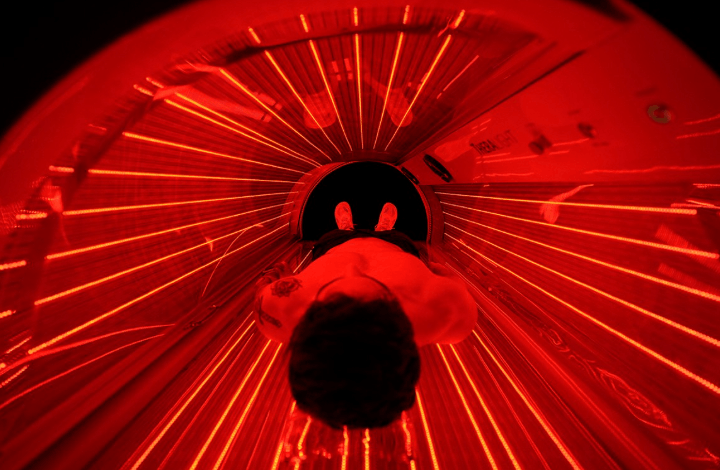
Whole-body systems differ from smaller panels because they illuminate more of the body during one session. Treatment duration, wavelength, intensity and distance from the light source can vary between devices, so users should follow equipment instructions.
Why Is It Gaining Attention?
Interest has grown because people seek convenient wellness practices. Red and near-infrared light have been investigated for areas such as pain, wound healing, inflammation and some skin concerns. A 2025 umbrella review found evidence of benefits for several health outcomes, but also noted that certainty ranged from very low to moderate, with no outcome supported by high-certainty evidence.
Research specifically examining whole-body photobiomodulation remains more limited. A 2025 systematic review identified only five relevant studies involving 105 physically active participants. Some studies suggested improved sleep, but found no benefits for exercise performance or recovery. Evidence from targeted treatment cannot automatically be applied to full-body use.
What Can People Expect?
Sessions are quiet and non-invasive. A person stands or lies near a light-emitting panel or specialised full-body unit while the device delivers its programmed wavelengths. There is usually little sensation, although some people may experience warmth. Results, if experienced, are unlikely to be immediate or identical for everyone, and regular use according to an appropriate protocol is generally emphasised.
Safety and Practical Considerations
Although photobiomodulation is generally regarded as a non-invasive modality, users should consider the specifications and intended purpose of a device. Eye protection may be advised depending on the equipment. People with particular medical conditions, light sensitivity, or medicines that increase photosensitivity should seek professional advice before treatment.
It is also worth distinguishing evidence-based applications from broad wellness claims. Research supports some specific uses of photobiomodulation, but that does not mean every advertised benefit has been established. Understanding a device’s wavelength, intensity and recommended exposure can help users make informed decisions.
A Thoughtful Wellness Approach at Empower Wellness Spa
At Empower Wellness Spa, treatments such as red light therapy can be considered within a broader wellness routine rather than as a substitute for medical care. Understanding the purpose of a session, the equipment being used and expectations can make wellness practices more meaningful. This measured approach is useful while research into whole-body applications continues to develop.
See also: Mobile Phone Diagnostic Software: Streamlining Device Lifecycle Management for Businesses
Conclusion
Whole body red light therapy is gaining attention because it offers a simple, non-invasive way of exploring photobiomodulation across larger areas of the body. While research into targeted applications is encouraging in some areas, evidence for whole-body benefits remains limited. Understanding the science, recognising uncertainties and using appropriate protocols are key to approaching this evolving wellness practice responsibly.