Commercial building maintenance is essential for keeping properties safe, functional, and visually appealing. Whether it’s an office tower, retail complex, industrial facility, or mixed-use development, ongoing maintenance protects a property’s value and ensures it operates smoothly every day. A well-maintained building minimises downtime, reduces long-term repair costs, and provides a healthier environment for occupants. In today’s competitive business landscape, the importance of consistent property upkeep cannot be overstated.
This article explores why commercial building maintenance matters, the critical areas involved, the benefits of a structured maintenance strategy, and how businesses can ensure their properties remain in top condition year-round.
Why Commercial Building Maintenance Matters
Commercial buildings experience constant wear and tear due to foot traffic, equipment usage, and exposure to the elements. Without proper commercial building maintenance Brisbane, small issues can quickly escalate into expensive repairs or operational disruptions. Some key reasons maintenance is essential include:
1. Safety and Compliance
Safety is the primary concern in any commercial property. Regular inspections and upkeep help identify hazards such as damaged flooring, faulty wiring, malfunctioning fire systems, or structural concerns. Staying compliant with local building codes, fire regulations, and workplace safety laws is necessary to avoid fines and ensure occupants are protected.
2. Protecting Asset Value
A building is a significant investment. Routine maintenance preserves its value by preventing deterioration and ensuring it remains attractive to tenants, employees, and customers. Well-maintained buildings have higher occupancy rates and can command better rents or resale prices.
3. Reducing Long-Term Costs
Preventive maintenance is always more cost-effective than reactive repairs. Fixing small issues early prevents major breakdowns that require extensive labour, parts, or system replacements. Over time, a proactive maintenance plan saves businesses thousands in operational expenses.
4. Enhancing Efficiency
Mechanical systems such as HVAC units, lighting, plumbing, and elevators require regular servicing to operate efficiently. Well-maintained systems use less energy, run more reliably, and reduce environmental impact. This directly lowers the building’s operational costs and improves sustainability performance.
Key Areas of Commercial Building Maintenance
Commercial building maintenance covers a wide range of services that keep the property functioning at peak performance. Some of the most important areas include:
1. HVAC System Maintenance
Heating, ventilation, and air-conditioning systems play a major role in comfort and energy efficiency. Maintenance tasks include:
- Cleaning air filters and ducts
- Checking refrigerant levels
- Inspecting compressors, motors, and belts
- Ensuring thermostat accuracy
- Servicing ventilation systems
Regular HVAC maintenance improves air quality, extends system lifespan, and reduces energy consumption.
2. Electrical System Inspections
A building’s electrical system must be inspected regularly to prevent fire hazards and ensure efficient performance. Key tasks include:
- Testing safety switches and circuit breakers
- Inspecting wiring for damage or wear
- Checking emergency lighting systems
- Ensuring compliance with electrical safety standards
Proper electrical maintenance avoids unexpected outages and improves safety.
3. Plumbing and Water Management
Plumbing issues can cause severe structural damage if left unresolved. Maintenance typically involves:
- Inspecting pipes for leaks or corrosion
- Maintaining water heaters and boilers
- Clearing blocked drains
- Inspecting restrooms and commercial kitchens
Good plumbing upkeep ensures safe water flow, prevents mould issues, and supports hygiene.
4. Structural and Exterior Maintenance
A building’s exterior and structure face constant environmental stress from wind, rain, sun, and temperature changes. Maintenance includes:
- Inspecting roofs for leaks or loose materials
- Maintaining gutters and downpipes
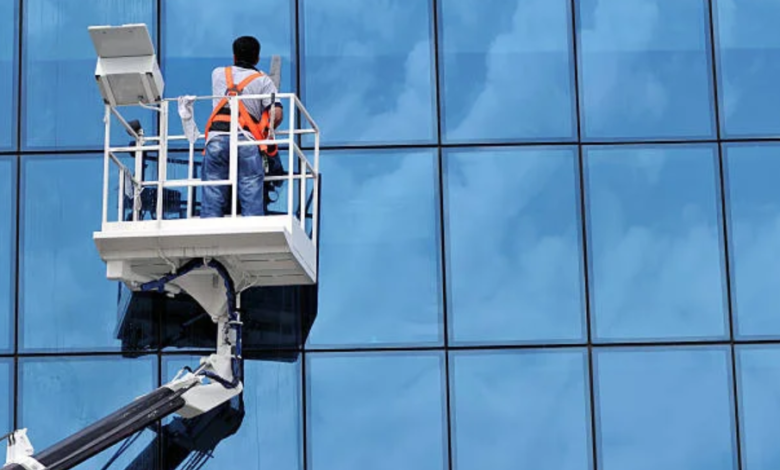
- Checking walls, facades, and cladding
- Repairing cracks or signs of deterioration
Well-maintained exteriors extend the building’s lifespan and improve its aesthetic appeal.
5. Interior Maintenance
Inside the building, various elements require regular attention, such as:
- Flooring repairs or replacements
- Painting and wall restoration
- Ceiling and lighting upkeep
- Door and window adjustments
Clean, safe interiors create a positive environment for workers and visitors.
6. Fire Safety Systems
Fire safety compliance is critical. Maintenance tasks include:
- Testing alarms and smoke detectors
- Inspecting fire extinguishers
- Servicing sprinkler systems
- Ensuring evacuation routes remain clear
Functional fire systems protect lives, property, and business operations.
7. Grounds and Landscaping
The external grounds are often the first impression visitors have of a commercial property. Routine services include:
- Lawn and garden care
- Pavement repairs
- Parking lot maintenance
- Waste management and cleaning
Good outdoor maintenance boosts curb appeal and improves safety.
See also: Choosing The Right Truck Manufacturer For Serviced Apartment And Hotel Businesses
Benefits of a Planned Maintenance Program
A structured maintenance strategy provides significant advantages for businesses and property owners:
1. Improved Building Performance
Regular servicing ensures all systems operate efficiently, leading to better indoor comfort, reduced breakdowns, and smoother daily operations.
2. Minimized Disruptions
Unplanned repairs can cause downtime, inconvenience tenants, or halt business operations. Planned maintenance reduces the likelihood of unexpected issues.
3. Cost Predictability
A scheduled maintenance program allows businesses to forecast expenses more accurately, avoiding sudden large repair bills that strain budgets.
4. Longer Asset Life
Mechanical systems, roofs, floors, and other components last significantly longer when maintained properly, delaying the need for replacements.
5. Better Tenant and Employee Satisfaction
Tenants and workers appreciate clean, safe, well-maintained spaces. This boosts productivity, reduces complaints, and helps retain long-term occupants.
Implementing an Effective Commercial Maintenance Strategy
To keep a commercial property in excellent condition, businesses should follow a structured approach:
1. Conduct Regular Inspections
Frequent inspections identify potential issues early. Scheduling inspections for electrical systems, HVAC units, roofing, plumbing, and structural elements ensures nothing is overlooked.
2. Develop a Preventive Maintenance Plan
A preventive plan includes routine servicing, cleaning, and system checks based on manufacturer recommendations and building needs.
3. Keep Detailed Maintenance Records
Documentation helps track repairs, warranties, service history, and compliance requirements. It also simplifies budgeting and future maintenance planning.
4. Prioritise Safety and Compliance
Ensure all maintenance activities follow relevant safety standards, building codes, and environmental guidelines.
5. Allocate Budget for Ongoing Maintenance
Consistent investment ensures the building stays in good condition and avoids expensive emergencies later on.
Conclusion
Commercial building maintenance is an essential part of property management that protects asset value, enhances safety, and ensures smooth operations. From HVAC systems and electrical infrastructure to plumbing, interior finishes, and fire safety, every part of a commercial building requires consistent attention. A strategic, well-planned maintenance program reduces long-term costs, minimises disruptions, and creates a safe, comfortable, and productive environment for everyone who uses the building.